This website uses cookies to improve the functionality and performance of the website, to better understand how you use AAPA’s website and services, and to provide you with a customized experience. By continuing your use of this website, you consent to this use of cookies. See our Privacy Policy for more information.
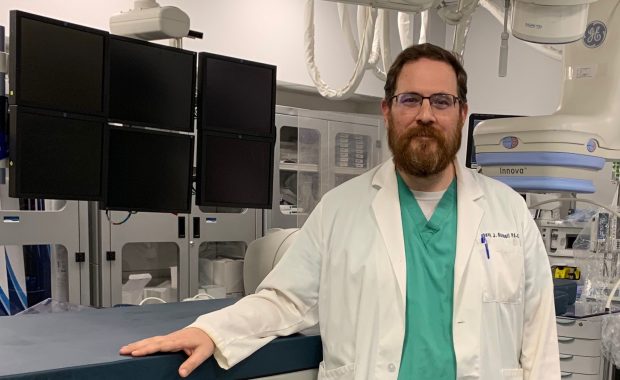
Ever wonder what a PA who specializes in cardiac electrophysiology does? David J. Bunnell, MSHS, PA-C, Lead Medical Center PA at the Washington, D.C., VA Medical Center tells us about his current role and why he changed specialties mid-career.
As we advance in our careers, it’s natural to want to take on more responsibility. But there’s a tricky balance – we don’t want our PA practice or our enthusiasm for healthcare to suffer. Follow these four tips to take on more without burning out.
One of the major advantages of becoming a PA is that it is relatively easy to change from one specialty to another without the need for new certification. More than 50% of PAs will change specialties during their careers, according to AAPA’s Salary Report.
PAs who serve as medical and clinical science liaisons play a unique role in pharmaceutical and other medical organizations. They use their clinical skills to interpret clinical trials, medications’ chemical composition, safety matters, and help to educate clinicians.
Executive Director of Clinical Integration, Bianca Belcher, MPH, PA-C, talks about how she has transitioned from clinician to a senior leadership role. Her advice to future leaders: Get involved, communicate effectively, work hard, see the big picture, and network.
Stephen Lewia, PA-C, has spent the past few months as a Vituity Emergency Medicine PA Fellow at Arrowhead Medical Center in Colton, California. He shares his insights about the experience and about balancing life with being a new PA.
Interested in using your skills to help communities in need after a disaster? Four PAs offer their best advice for getting involved, from participating in trainings and minimizing harm to being patient throughout the process.
Career and leadership expert Andrea Lowe, MHA, PA-C, shares advice on how to effectively prepare so that you stand out from the crowd during job interviews. Anticipate competition for any job you’re interviewing for and do your homework.
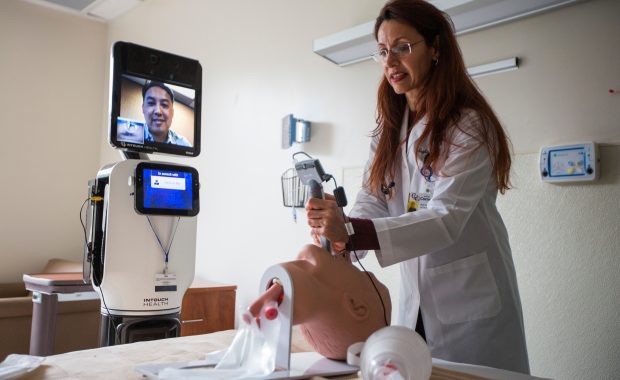
What do virtual medicine, telehealth, telemedicine mean? And how might they affect you and your daily practice? Desmond Watt, PA-C, president of the PAs in Virtual Medicine and Telemedicine special interest group, shares what you should know.